Buying Land vs. Buying an Existing Home in Kentucky: Which Is Right for You?

When you're ready to buy real estate, most people immediately start looking at homes.
But what if the perfect property doesn't have a house on it yet?
For some Kentucky buyers, purchasing land and building later may be a better fit than buying an existing home.
For others, an existing home may provide exactly what they need.
So which option is better?
The answer depends on your budget, timeline, lifestyle, and long-term goals.
Let's compare the two.
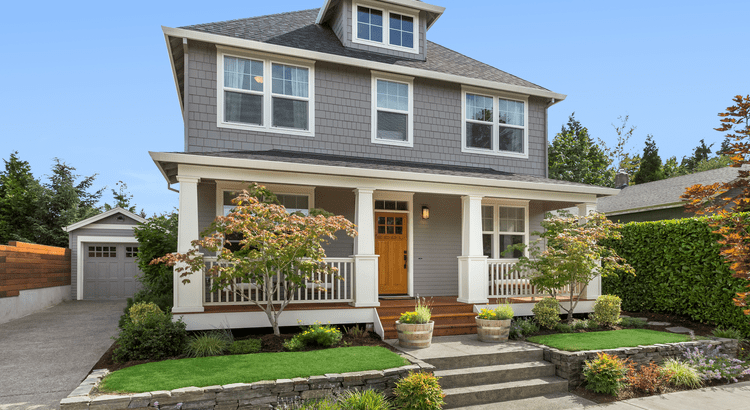
Option 1: Buying an Existing Home
The biggest advantage of buying an existing home is simple:
You can move in.
You already have:
-
A kitchen
-
Bedrooms
-
Bathrooms
-
Utilities
-
Landscaping
-
Driveway
-
Established neighborhood
You can inspect the property, negotiate the purchase, close, and start living there.
For buyers who need a home quickly, this can be a major advantage.
Option 2: Buying Land and Building
Buying land gives you something an existing home can't:
Control.
You can potentially choose:
-
The location of the house on the property
-
Floor plan
-
Number of bedrooms
-
Kitchen design
-
Outdoor living areas
-
Garage
-
Finishes
-
Landscaping
Instead of adapting your lifestyle to an existing home, you can build around the way you want to live.
The Trade-Off Is Time
An existing home can often take you from purchase to move-in relatively quickly.
Building a home requires planning.
You'll need to consider:
-
Land purchase
-
Architectural plans
-
Builder selection
-
Site preparation
-
Permits
-
Utilities
-
Construction
-
Landscaping
The process can take considerably longer than purchasing an existing property.
If you're hoping to move within a few months, vacant land may not be the best option.

What About Cost?
This is where things get interesting.
Many buyers assume:
"If I buy cheap land, building my dream home will be cheaper."
Not necessarily.
Your total project cost can include:
-
Land
-
Construction
-
Site preparation
-
Excavation
-
Driveway
-
Utility connections
-
Septic or sewer
-
Well or water connection
-
Landscaping
-
Permits and professional fees
A $100,000 parcel doesn't mean you'll have a $100,000 project.
You need to evaluate the entire cost.
Existing Home: What You See Is What You Get
An existing home has a major advantage:
You can see it.
You can walk through the rooms.
You can evaluate the neighborhood.
You can have the property inspected.
You can get a much clearer picture of what you're purchasing.
There may still be surprises, but the unknowns are generally different from those involved in developing vacant land.
Land: More Freedom, More Responsibility
With land, you're starting with a blank canvas.
That can be incredibly exciting.
But it also means you're responsible for figuring out whether the property can support your plans.
You may need to investigate:
-
Zoning
-
Restrictions
-
Survey
-
Soil conditions
-
Drainage
-
Flood zones
-
Utilities
-
Road access
This is why land purchases require careful due diligence.
Which Buyer Is Better Suited for Land?
Land may be a good fit if you:
Want a custom home
You have a very specific vision that is difficult to find in an existing property.
Want privacy
You'd rather have acreage than a traditional subdivision lot.
Have flexibility
You're not in a hurry to move.
Want to invest
You're interested in holding land for future use or development, subject to zoning and market conditions.
Want room to grow
You want space for gardens, recreation, workshops, animals, or future improvements where permitted.
Which Buyer Is Better Suited for an Existing Home?
An existing home may make more sense if you:
-
Need to move quickly
-
Have a defined budget
-
Don't want to manage construction
-
Prefer an established neighborhood
-
Want predictable financing
-
Don't want to deal with site development
There's nothing wrong with buying an existing home.
The important thing is finding the strategy that fits your life.
Don't Forget About Location
Whether you're buying a home or land, location remains one of the most important factors.
When evaluating land near Louisville, KY, consider:
-
Commute
-
Nearby amenities
-
Schools
-
Future development
-
Road access
-
Neighborhood growth
-
Resale potential
You may discover that the perfect piece of land is just outside the area where you initially expected to search.
Think About the Next 10 Years
Here's the question we encourage buyers to consider:
"Where do I want this property to take me?"
Maybe you're planning to build your forever home.
Maybe you're buying land now because you're not ready to build.
Maybe you want acreage for your family.
Maybe you're thinking about future investment opportunities.
Your reason for buying should influence the type of property you pursue.
The Bottom Line
There isn't one correct answer.
For some Kentucky buyers, an existing home is the smartest choice.
For others, buying land is the opportunity they've been waiting for.
The key is understanding the trade-offs before you make a decision.
Existing home = convenience and certainty.
Land = flexibility and potential.
If you're willing to put in the planning and due diligence, that blank piece of Kentucky land could eventually become exactly what you've always wanted.

Not Sure Which Direction Is Right for You?
The Rhonda Roberts Group can help you explore both options.
Whether you're searching for homes for sale in Louisville, KY, acreage, a homesite, or an investment property, we'll help you compare your choices based on your budget, timeline, and long-term goals.
Sometimes the best home search starts by asking a different question:
"Do I actually want a home—or do I want the opportunity to create one?"
Recent Posts

GET MORE INFORMATION