
Home Inspection in the Rain: Why Louisville Buyers Can Learn More on a Wet Day
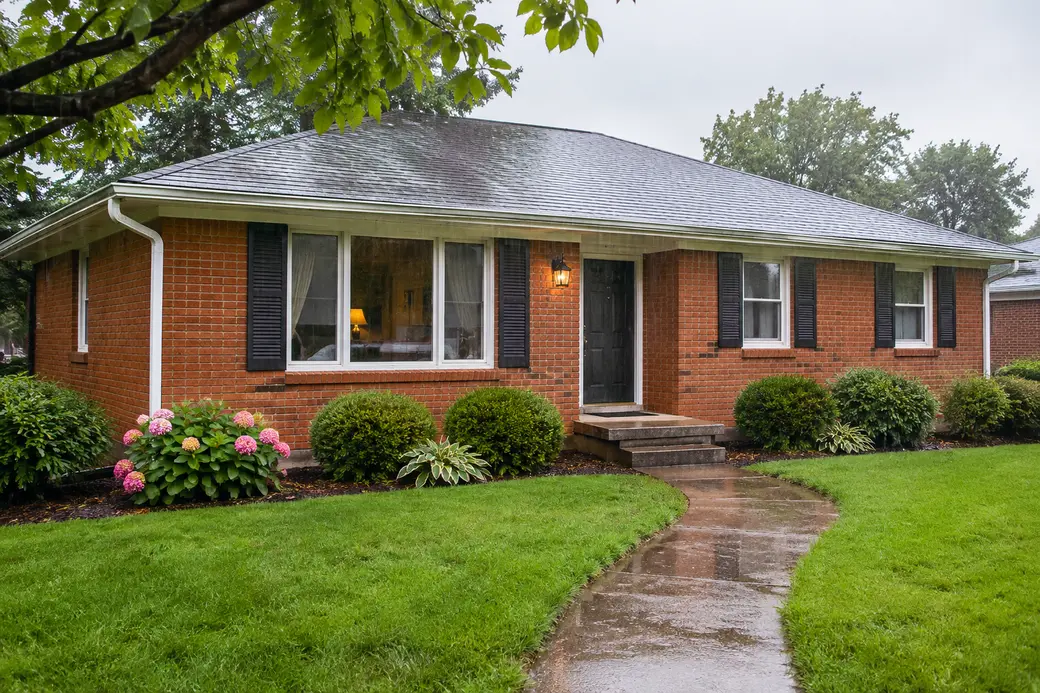
Home Inspection in the Rain: Why Louisville Buyers Can Learn More on a Wet Day
By The Rhonda Roberts Group | Keller Williams Collective
Can you do a home inspection in the rain? Yes—many home inspections can proceed in rainy weather when conditions are safe. Rain may help an inspector spot active leaks, overflowing gutters, and drainage problems that are harder to observe on a dry day. However, wet roofs, severe weather, and limited access can prevent parts of the inspection from being completed. A rainy-day inspection is useful, but it cannot reveal every moisture problem or guarantee a home will stay dry.
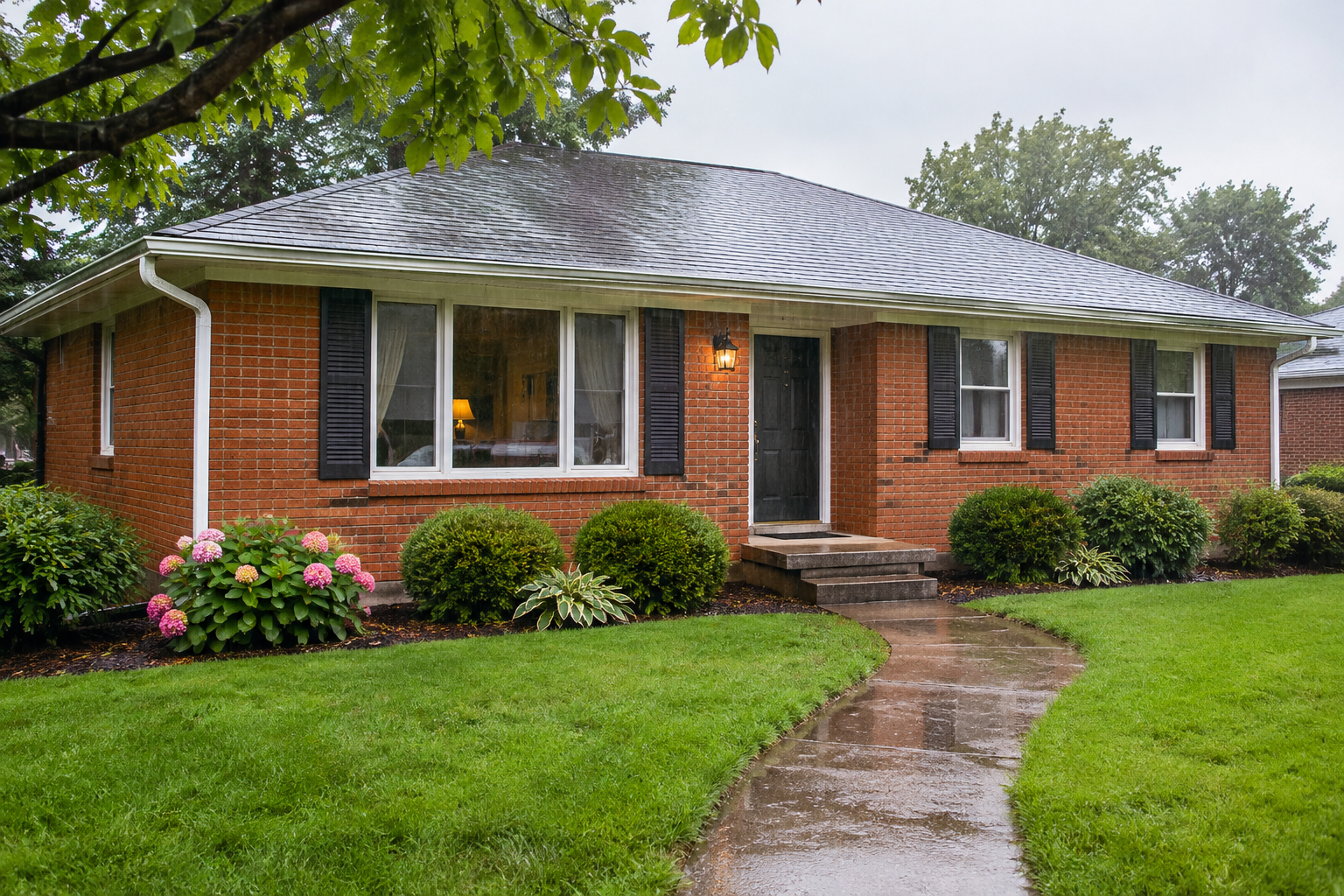
You’ve found a home, your offer has been accepted, and inspection day is on the calendar. Then the forecast calls for rain. Should you reschedule?
Before wishing for sunshine, consider what that weather might help you learn. For buyers in Louisville and surrounding communities, a rainy inspection can provide a useful look at how a property handles water.
What can a home inspection in the rain reveal?
A sunny showing gives you one view of a house. Rain adds another: where does the water go?
Professional inspection standards include attention to roof drainage and visible conditions around the home. Watching those components during rainfall can add context to the inspector’s observations.
| Area | What rain may help reveal | What to ask |
|---|---|---|
| Gutters and downspouts | Overflow, leaking joints, or discharge near the foundation | Is runoff being directed away from the house? |
| Yard and grading | Water collecting near walls or flowing toward the home | Does this drainage pattern need further evaluation? |
| Basement or crawl space | Visible seepage, damp surfaces, or standing water | Is there evidence of current or previous moisture intrusion? |
| Attic and ceilings | Visible dripping, dampness, or staining where accessible | Does the suspected source need a roofer’s evaluation? |
| Windows and exterior doors | Water entering around visible openings | Is additional evaluation of flashing or seals recommended? |
These are possible observations—not findings every rainy inspection will uncover. Rain intensity, wind direction, timing, and access all affect what can be seen.
Why are gutters and drainage so important?
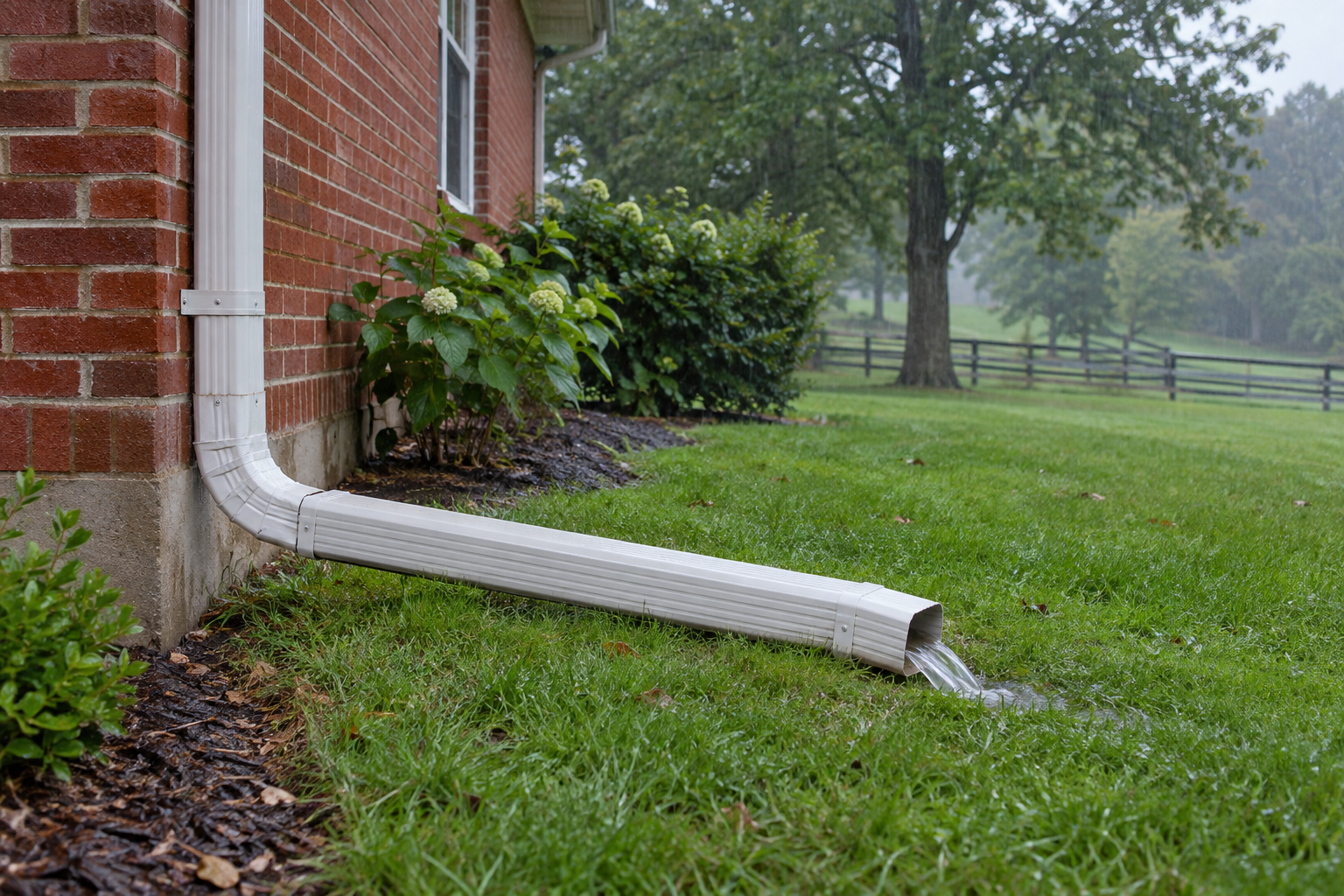
Rainwater needs a path off the roof and away from the house. When gutters overflow or downspouts release water beside the foundation, the surrounding soil can become saturated and contribute to moisture problems.
During the inspection, ask about overflowing gutters, disconnected extensions, and areas where water appears to collect. A puddle alone does not establish the cause or severity of a problem; the inspector’s findings help determine whether maintenance or a specialist’s evaluation is appropriate.
Can rain help identify basement leaks?
It can. Rain may make active seepage visible along basement walls, at the wall-floor joint, or around accessible openings. An inspector may also note stains, peeling finishes, or other evidence suggesting earlier moisture exposure.
For a Louisville home with a basement, crawl space, or walkout lower level, ask how water is managed around below-grade spaces and exterior entrances. Whether you’re buying in St. Matthews, Middletown, Fern Creek, or a surrounding county, the property’s individual slope, drainage, and construction matter more than the neighborhood name.
A dry basement during one rainy visit does not prove it will remain dry during prolonged rain or a different storm. Likewise, moisture readings and visible staining may require additional investigation before anyone can identify the source.
Will the inspector walk on a wet roof?
Not necessarily. Wet roofing can be slippery, and an inspector may use another observation method or recommend further evaluation when safe access is unavailable. InterNACHI’s standards do not require inspectors to walk on roofs, including unsafe roof areas.
Ask how the roof was inspected, what could not be seen, and whether a separate roofing evaluation or return visit is recommended. A limited roof inspection should be clearly understood before you decide how to proceed.
Should you reschedule a home inspection because of rain?
Light or moderate rain does not automatically mean cancellation. Contact your inspector before changing the appointment. Lightning, strong winds, flooding, or other unsafe conditions may require postponing outdoor work or rescheduling some or all of the inspection.
If a return visit is needed, ask about availability and any additional fee. Coordinate promptly with your agent so the next steps fit the dates in your purchase agreement.
How should buyers prepare for a rainy-day inspection?
-
Confirm the plan with your inspector. Ask whether the weather is likely to limit access or visibility.
-
Wear practical shoes and bring rain gear. Follow the inspector’s guidance about where you can safely go.
-
Ask about water management. Include gutters, downspouts, grading, and any accessible basement or crawl space.
-
Review limitations in the report. Identify areas that were inaccessible or could not be fully evaluated.
-
Discuss recommended follow-up promptly. Your agent can help coordinate questions and appointments; qualified specialists can evaluate the technical concerns.
What if the inspection finds water problems?
Start with the report and the inspector’s explanation. A disconnected downspout extension and recurring basement seepage may call for very different responses.
Ask what was observed, what remains uncertain, and which professional should evaluate it next. Depending on the issue, that may be a roofer, drainage contractor, plumber, or another qualified specialist. Get a clearer understanding of the cause and repair scope before making assumptions about cost.
Your real estate agent can help you organize the findings and discuss possible next steps under your purchase agreement. The inspector and appropriate specialists provide the technical assessment.
Buying a home in Louisville? Bring your questions—and your umbrella.
A rainy inspection day can be an opportunity to learn how a home handles wet weather. The goal is to understand the property, the inspection’s limitations, and any follow-up you need before moving forward.
At The Rhonda Roberts Group at Keller Williams Collective, we help buyers in Louisville and surrounding communities navigate the steps from accepted offer to closing with clear communication and practical guidance.
Ready to start looking? Explore homes for sale in Louisville and surrounding communities. Already have questions about the buying process? Connect with The Rhonda Roberts Group.
Recent Posts









GET MORE INFORMATION