
7 Things Louisville Sellers Should Do Before Putting Their Home on the Market

Selling a home can feel like a huge undertaking.
Where do you start?
Do you renovate the kitchen? Paint everything? Replace the flooring? Hire a photographer? Start packing?
And perhaps the biggest question of all:
"What actually matters to buyers—and what is a waste of money?"
The good news is that you don't have to completely transform your Louisville home before putting it on the market.
The goal isn't to make your home perfect.
The goal is to make it as appealing as possible to the right buyers without spending money on improvements that won't provide a meaningful return.
Before you put that "For Sale" sign in the yard, here are seven things worth doing.
Table of Contents
-
Start With the Outside
-
Declutter Before You Decorate
-
Fix the Small Things You've Been Ignoring
-
Don't Automatically Remodel the Kitchen
-
Make the Home Feel Bigger
-
Think Like a Buyer
-
Build Your Selling Strategy Before You List
-
What Should You NOT Spend Money On?
-
Frequently Asked Questions
-
The Bottom Line
1. Start With the Outside
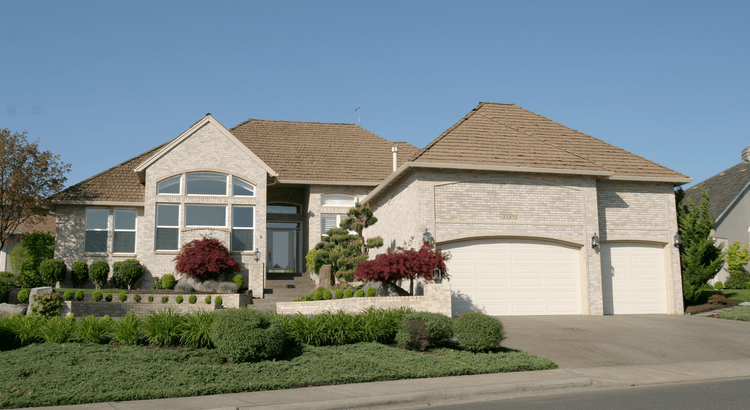
Buyers form an opinion before they ever walk through the front door.
That's why curb appeal matters.
Take a walk around your property and look at it as if you've never seen it before.
Ask yourself:
-
Is the lawn maintained?
-
Are bushes and trees trimmed?
-
Is the front door inviting?
-
Is the porch clean?
-
Are walkways clear?
-
Is the driveway in good condition?
-
Are there weeds in landscaping beds?
-
Does the exterior need a fresh cleaning?
You don't necessarily need an expensive landscaping project.
Sometimes trimming, cleaning, mulching, and removing clutter can make a noticeable difference.
Remember:
The goal is not to impress every buyer.
It's to make buyers want to see what's inside.
2. Declutter Before You Decorate
This may be one of the most important things a seller can do.
And it doesn't cost thousands of dollars.
Buyers need to be able to imagine themselves living in your home.
That's difficult when every surface is covered with personal belongings.
Start with:
-
Kitchen countertops
-
Bathroom counters
-
Closets
-
Pantry
-
Garage
-
Basement
-
Entryway
-
Laundry room
Don't simply move clutter from one room to another.
If necessary, rent a storage unit or begin packing items you don't need between now and your move.
Here's a simple rule:
If you haven't used it in a year and don't need it before moving, consider packing it now.
You'll eventually have to pack anyway.
Why not get a head start?
3. Fix the Small Things You've Been Ignoring
Every homeowner has a list.
You know the one.
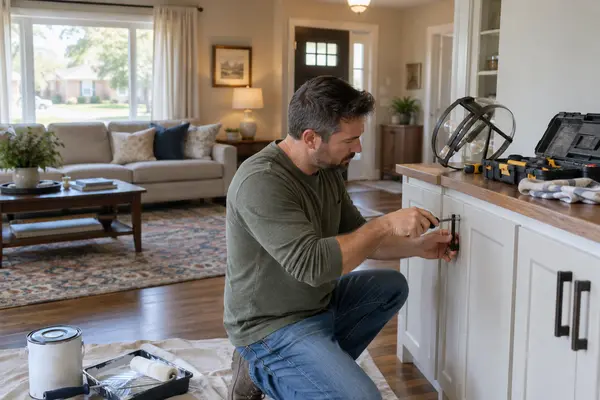
The loose cabinet handle.
The door that sticks.
The dripping faucet.
The hole in the wall.
The light fixture you've meant to replace for three years.
You've gotten used to these things.
Buyers haven't.
During a showing, small problems can create the impression that a home hasn't been maintained.
Walk through your home with a notepad and look for:
-
Loose handles
-
Burned-out light bulbs
-
Scuffed walls
-
Broken blinds
-
Leaky faucets
-
Damaged screens
-
Loose railings
-
Sticking doors
-
Missing hardware
You don't necessarily need to spend a fortune.
Address the inexpensive things that make your home feel neglected.
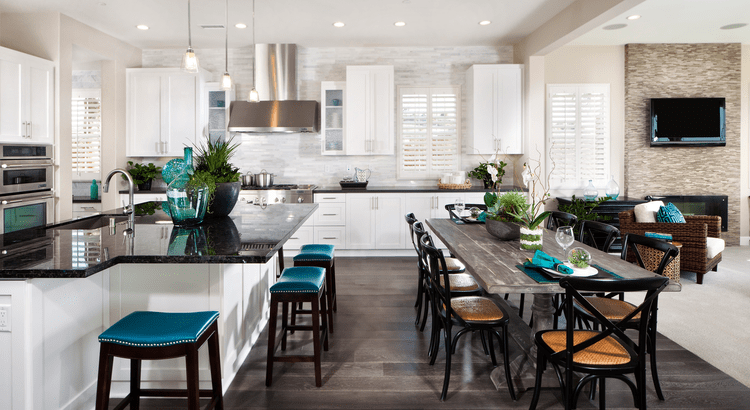
4. Don't Automatically Remodel the Kitchen
This may surprise you.
If you're selling soon, a major renovation isn't automatically the right move.
Yes, kitchens matter.
But spending $50,000 on a kitchen renovation doesn't guarantee you'll get $50,000 more when you sell.
Before starting a major project, ask:
"Will this improvement actually help me sell the house, or am I building the kitchen I personally want?"
Those are two very different questions.
Sometimes a kitchen needs a major update.
Other times, a deep cleaning, fresh paint, updated hardware, improved lighting, or minor cosmetic changes can make a significant difference.
This is where getting a professional opinion before spending money can be extremely valuable.
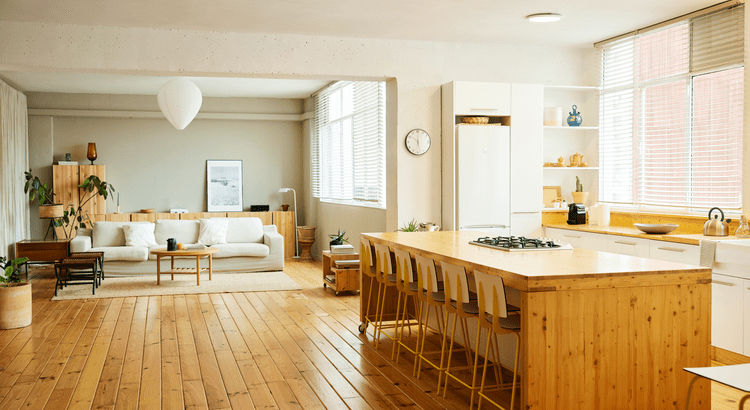
5. Make the Home Feel Bigger
You can't change the square footage.
But you can change how spacious the home feels.
Try:
-
Removing oversized furniture
-
Opening pathways
-
Reducing furniture in smaller rooms
-
Removing unnecessary decorations
-
Organizing closets
-
Keeping countertops clear
-
Maximizing natural light
Then take another look.
Does the home feel easier to move through?
Does each room have a clear purpose?
Can buyers immediately understand how they could use the space?
You're not selling square footage.
You're selling how someone imagines living in that square footage.
6. Think Like a Buyer
This may be the hardest part of selling your home.
You've created memories there.
You know the house's history.
You love the tree in the backyard.
You remember when you painted the nursery.
You may even have an emotional attachment to the kitchen countertops.
Buyers don't have that connection.
They're evaluating:
"Does this home make sense for me?"
Try walking through your home as if you're seeing it for the first time.
What catches your attention?
What looks dated?
What would make you hesitate?
What questions would you ask?
What would make you excited?
This mindset can help you identify things you might otherwise overlook.
7. Build Your Selling Strategy Before You List
This is where preparation becomes strategy.
Before your home hits the market, you should have a plan for:
-
Pricing
-
Photography
-
Marketing
-
Staging
-
Showings
-
Timing
-
Negotiations
-
Inspections
-
Potential repairs
-
Closing
And perhaps most importantly:
Know what you're trying to accomplish.
Are you trying to:
-
Maximize your sale price?
-
Sell quickly?
-
Coordinate the sale with another purchase?
-
Relocate by a specific date?
-
Minimize out-of-pocket expenses?
-
Avoid making major repairs?
Your goals should influence your strategy.
There isn't one perfect way to sell every Louisville home.

What Should You NOT Spend Money On?
This is an important question.
Before spending thousands of dollars preparing your home, talk with your REALTOR®.
Some improvements can make sense.
Others may not.
Be cautious about:
-
Highly personalized renovations
-
Expensive landscaping projects
-
Luxury upgrades that don't fit the neighborhood
-
Major additions
-
Replacing perfectly functional features simply because they're not your style
The question isn't:
"Can I make this house better?"
You probably can.
The better question is:
"Will this investment help me accomplish my selling goals?"
What About Staging?
Staging isn't necessarily about filling your home with expensive furniture.
Good staging is often about helping buyers understand:
How could I live here?
That might mean:
-
Rearranging furniture
-
Removing excess furniture
-
Improving lighting
-
Creating a clear purpose for each room
-
Adding simple decorative touches
-
Removing personal items
Sometimes the best staging decision is simply removing things.
Your Pre-Listing Walkthrough
Before listing, walk through the house with your REALTOR®.
Go room by room.
Kitchen
-
Clear counters
-
Deep clean appliances
-
Organize cabinets
-
Address obvious repairs
Living Areas
-
Remove excess furniture
-
Clean windows
-
Improve lighting
-
Minimize personal items
Bedrooms
-
Simplify furniture
-
Organize closets
-
Use neutral bedding if appropriate
Bathrooms
-
Deep clean
-
Remove unnecessary products
-
Replace worn towels
-
Address obvious maintenance issues
Exterior
-
Clean entry
-
Trim landscaping
-
Remove clutter
-
Check outdoor lighting
This simple exercise can reveal opportunities you may have missed.

Frequently Asked Questions
Should I renovate before selling my Louisville home?
Not necessarily. Some renovations can help, while others may not provide enough return to justify the cost. Your home's condition, price range, neighborhood, and buyer expectations should all be considered.
Should I paint before listing?
Fresh paint can help when walls are heavily marked, dated, or highly personalized. But painting every room isn't always necessary.
Should I stage my home?
Staging can help buyers visualize themselves living in the property. The appropriate level of staging depends on the home and its current furnishings.
How much should I spend preparing my home?
There isn't a universal number. A good starting point is to determine which improvements are most likely to affect buyer perception and marketability before spending significant money.
Should I make repairs before listing?
Some repairs may be worthwhile, particularly if they address safety, obvious maintenance issues, or conditions likely to concern buyers. Others may be better handled through pricing or negotiation.
The Bottom Line
Selling your Louisville home isn't about making it perfect.
It's about making smart decisions.
Before you spend thousands of dollars on renovations, take a step back.
Clean it.
Declutter it.
Fix the obvious issues.
Improve the first impression.
And most importantly, create a selling strategy before putting the home on the market.
As we discussed in our previous content about preparing a home for showings, buyers make decisions quickly. Your home's presentation can influence whether someone falls in love with the property—or moves on to the next listing.
The sellers who tend to be best positioned aren't necessarily the ones who spend the most money.
They're the ones who prepare strategically.
Thinking about selling your Louisville home?
Before you start calling contractors or buying paint, let's talk.
The Rhonda Roberts Group can help you identify what is worth doing, what isn't, how your home should be positioned in the current Louisville market, and how to build a marketing strategy designed to attract the right buyers.
Don't renovate blindly. Prepare with a plan.
Recent Posts




GET MORE INFORMATION