
Should You Sell Your Louisville Home As-Is or Make Repairs First?
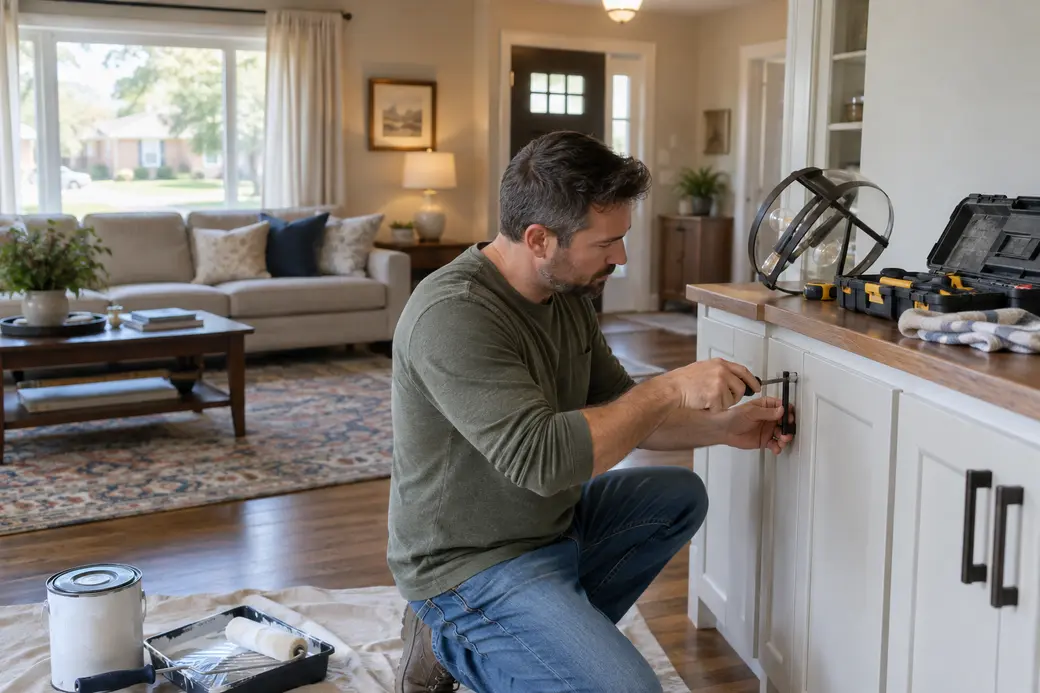
Should You Sell Your Louisville Home As-Is or Make Repairs First?
Quick Answer
Should you sell your Louisville home as-is or make repairs first? The best choice depends on the condition of the property, your available cash, your timeline, the likely buyer pool, and whether a repair is expected to increase your net proceeds—not simply the sale price.
For many Louisville sellers, the smartest approach is a middle ground: repair safety concerns and obvious deferred maintenance, complete inexpensive cosmetic improvements, and skip large renovations that buyers may not value dollar for dollar. Selling as-is may be the better choice when the home needs extensive work, the seller must move quickly, the property is part of an estate, or paying for repairs would create a financial burden.
Before hiring contractors, compare three possible strategies using recent sales from your specific area: selling completely as-is, making only priority repairs, and completing broader updates. A local comparative market analysis can show how condition affects value in your neighborhood and help you estimate the likely net proceeds under each option.
What Does Selling a Home “As-Is” Mean in Kentucky?
Selling a home as-is generally means the seller does not plan to make repairs or provide credits for the property’s condition. The buyer is purchasing the home in its current state, subject to the exact terms of the accepted contract.
However, “as-is” does not mean a seller should hide known problems. Kentucky’s Seller’s Disclosure of Property Condition asks sellers to report known information about major systems and conditions, including the roof, structure, water, sewer, boundaries, environmental concerns, and other property details. Buyers may still request inspections, and the rights of both parties depend on the purchase contract.
Sellers should complete disclosures truthfully and discuss contract language with their real estate agent or attorney. You can review the official Kentucky Real Estate Commission disclosure forms for more information.
As-Is vs. Making Repairs: A Quick Comparison
| Factor | Sell As-Is | Make Repairs First |
|---|---|---|
| Upfront cost | Usually lower | Usually higher |
| Time before listing | Often shorter | May take days, weeks, or months |
| Potential buyer pool | May be smaller | May include more traditional buyers |
| Sale price | Often lower | May be higher if improvements match buyer expectations |
| Seller workload | Usually less | Contractor scheduling and project decisions required |
| Inspection negotiations | Seller may state repairs will not be made, subject to the contract | Fewer condition concerns may arise, but inspections can still uncover issues |
| Financing considerations | Serious defects may limit some financed buyers | Correcting major issues may improve financeability |
| Best fit | Speed, convenience, inherited homes, major deferred maintenance | Sellers seeking broader appeal and potentially higher net proceeds |
The highest sale price is not always the best financial outcome. The more useful number is your estimated net proceeds after repair costs, carrying costs, concessions, and closing expenses.
Which Repairs Are Usually Worth Considering Before Selling?
Repairs tend to deserve attention when they affect safety, function, insurability, financing, or a buyer’s confidence in the overall condition of the home.
High-priority items to evaluate
-
Active roof leaks or visible water intrusion
-
Electrical hazards or outdated components identified by a qualified professional
-
Plumbing leaks and nonfunctioning fixtures
-
HVAC systems that do not heat or cool properly
-
Loose handrails, unsafe steps, or broken windows
-
Structural movement or foundation concerns
-
Moisture, drainage, or basement problems
-
Peeling exterior paint, damaged siding, or rotten wood
-
Broken doors, locks, garage doors, or other security issues
-
Known permit or code questions related to previous improvements
Not every item must automatically be repaired. Some may be better handled through pricing or negotiation. The first step is to determine the scope of the issue and how buyers in your price range are likely to react.
Lower-cost improvements that can help presentation
-
Deep cleaning the home
-
Decluttering and removing excess furniture
-
Touching up visibly damaged paint
-
Replacing burned-out bulbs
-
Repairing loose knobs, handles, and hinges
-
Fixing dripping faucets and running toilets
-
Cleaning gutters and downspouts
-
Trimming shrubs and refreshing mulch
-
Pressure-washing appropriate exterior surfaces
-
Replacing damaged switch plates, vent covers, or screens
These projects may not dramatically change an appraisal, but they can prevent buyers from assuming that small signs of neglect point to larger problems. For a room-by-room preparation guide, read 7 Things Louisville Sellers Should Do Before Putting Their Home on the Market.
Which Renovations Should Louisville Sellers Think Twice About?
Large projects can improve a property, but that does not mean they will produce a dollar-for-dollar return when you sell. Be cautious about starting the following shortly before listing:
-
A complete kitchen remodel
-
A luxury bathroom renovation
-
A room addition
-
Highly personalized tile, cabinetry, or finishes
-
Extensive landscaping that exceeds neighborhood expectations
-
Replacing functional features solely because they are not your preferred style
-
Finishing a basement without first evaluating permits, moisture, and comparable sales
A renovated kitchen may matter in a move-in-ready home near St. Matthews or the Highlands, but the appropriate finish level can differ from what buyers expect in Fern Creek, Okolona, Valley Station, Jeffersontown, Middletown, or a luxury community such as Lake Forest. Even within the same ZIP code, a home’s age, price range, street, lot, and competing inventory can change the answer.
The goal is not to create the nicest version of the house. It is to make improvements that the likely buyer will recognize and pay for.
How Does Louisville’s Housing Stock Affect the Decision?
Louisville is not one uniform market. Its neighborhoods contain homes from many eras, and buyers interpret condition differently depending on the location and property type.
| Local property type or area | Condition questions buyers may emphasize |
|---|---|
| Older homes in the Highlands, Crescent Hill, Clifton, or Germantown | Wiring, plumbing, foundation, windows, roof, additions, and past renovations |
| Homes with basements across Jefferson County | Moisture history, drainage, sump pumps, grading, and signs of water intrusion |
| Condos in St. Matthews, Downtown, or the East End | Unit condition, HOA responsibilities, assessments, and what the association maintains |
| Suburban homes in Middletown, Jeffersontown, Fern Creek, or Pleasure Ridge Park | Roof and HVAC age, flooring, paint, exterior maintenance, and comparison with updated nearby listings |
| Homes near creeks, low-lying areas, or the Ohio River | Flood-zone information, drainage, insurance questions, and prior water events |
| Properties near I-64, I-65, I-71, I-264, or the Gene Snyder Freeway | Access and convenience balanced against traffic, noise, and the home’s exact location |
Recognizable amenities—including Cherokee Park, Seneca Park, Waterfront Park, The Parklands of Floyds Fork, Norton Commons, and shopping and employment centers along Shelbyville Road and Hurstbourne Parkway—can support buyer interest. They do not, however, erase condition problems. Buyers still compare your home with the closest relevant alternatives.
School boundaries can also influence demand, but sellers should avoid making assumptions about enrollment. Buyers can verify current assignments directly with Jefferson County Public Schools or the applicable district.
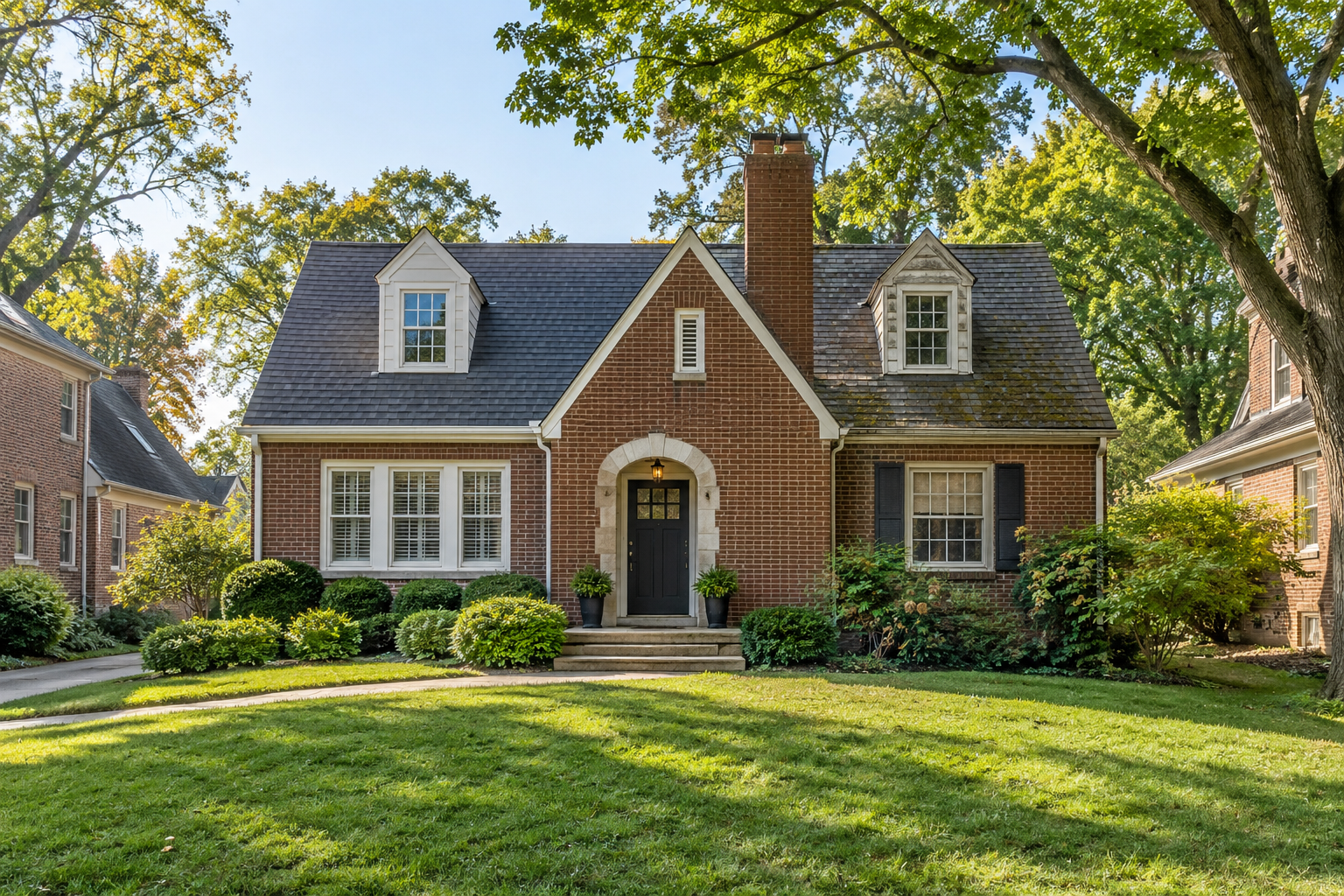
When Does Selling As-Is Make the Most Sense?
An as-is sale may be the practical choice when:
-
You need to sell quickly. A job relocation, family change, carrying two homes, or another deadline may be more important than pursuing the highest theoretical price.
-
The property needs extensive work. When the roof, mechanical systems, finishes, and structure all need attention, a full renovation may be too risky or time-consuming.
-
The home is part of an estate. An executor or administrator may have limited knowledge of the property and may prefer a simpler process.
-
You do not have cash available for repairs. Borrowing money or draining savings before a sale may not fit your situation.
-
You are willing to accept a smaller buyer pool. Investors and renovation-minded buyers may be comfortable with work that discourages buyers seeking a move-in-ready home.
-
The likely return is uncertain. If estimated improvements cost nearly as much as the expected increase in value, selling as-is may produce a similar or better net result.
When Is It Better to Make Repairs First?
Making repairs may be the stronger strategy when:
-
The home is generally in good condition but has a manageable list of visible problems.
-
A modest investment could move the property into a more competitive condition category.
-
Major defects may create financing, appraisal, insurance, or buyer-confidence concerns.
-
Nearby updated homes are attracting significantly more buyer interest.
-
You have the time and resources to manage the work properly.
-
The repair can be documented with invoices, warranties, permits, or licensed-contractor records when appropriate.
If your goal is to maximize market exposure, resolving a short list of high-impact items can make it easier for buyers to focus on the home rather than on a growing repair estimate in their heads.
How Do You Decide What to Repair Before Listing?
Use this step-by-step process before spending money.
Step 1: Define your main goal
Decide whether your top priority is the highest net proceeds, the fastest closing, the least disruption, or a specific moving date. Your goal determines the strategy.
Step 2: Get a local comparative market analysis
Compare your home with recent sales and active competition in the same area, price range, and condition. Start with our guide to what determines a Louisville home’s value.
Step 3: Create three price scenarios
Ask your agent to estimate a likely range for:
-
Selling completely as-is
-
Completing only priority repairs and cosmetic improvements
-
Completing broader updates
These are estimates—not guarantees—but they provide a better basis for deciding than a renovation wish list.
Step 4: Obtain repair estimates
Get written estimates from qualified contractors for major work. If a project may require a permit, confirm the requirements with the appropriate Louisville Metro or local jurisdiction before work begins.
Step 5: Calculate estimated net proceeds
Use this simple framework:
Expected sale price − repair costs − additional carrying costs − seller concessions − closing expenses = estimated net proceeds
For example, if a group of projects is expected to raise the sale price by $20,000 but costs $14,000 and delays the sale long enough to add $3,000 in mortgage payments, utilities, taxes, and insurance, the estimated advantage is only $3,000 before considering risk or inconvenience.
Step 6: Choose your repair boundary before listing
Write down what you will fix, what you will not fix, and how you plan to respond if an inspection reveals something new. Clear expectations make later negotiations easier.
Step 7: Price and market the home honestly
An as-is property still deserves professional photography, accurate descriptions, broad online exposure, and a pricing strategy based on condition. Buyers can browse current Louisville-area listings to see how condition, location, and price compete in real time.

How Can Repairs Affect the Buyer Pool?
Condition can influence which buyers are able or willing to pursue a home. A cash investor may evaluate a major project differently from a first-time buyer using financing. Some buyers have funds and experience for renovations; others need a home that can be occupied with minimal immediate expense.
Certain property conditions may also raise questions during an appraisal, inspection, underwriting, or insurance review. The outcome depends on the issue, loan program, lender, insurer, and contract. Before promising that a property will qualify for a particular type of financing, the parties should consult the buyer’s lender and other appropriate professionals.
Can You Sell As-Is and Still Get a Home Inspection?
Yes. Listing a home as-is does not automatically prevent a buyer from inspecting it. The buyer’s inspection rights and options depend on the signed contract.
An inspection may lead a buyer to:
-
Continue with the purchase
-
Request repairs or a credit
-
Renegotiate within the contract’s terms
-
Exercise a contractual right to terminate, if applicable
The seller can decide how to respond based on the agreement and advice from their agent or attorney. An as-is label should be paired with clear pricing, accurate disclosure, and a plan for inspection-related conversations.
Frequently Asked Questions
Is it harder to sell a house as-is in Louisville?
It can be. An as-is home may attract fewer buyers, especially when it needs major repairs or cannot easily meet the expectations of buyers using certain financing. However, the right price and marketing strategy can attract investors, contractors, and buyers who want to renovate.
Will I lose money if I sell my Louisville home as-is?
Not necessarily. The sale price may be lower, but you may avoid renovation expenses, carrying costs, contractor risk, and months of delay. Compare estimated net proceeds rather than sale price alone.
Should I get a pre-listing inspection?
A pre-listing inspection can help identify issues before buyers do, but it is not right for every seller. It may give you time to obtain estimates and make informed decisions. It can also create additional information that should be discussed with your agent regarding disclosure obligations.
Should I replace an old roof or HVAC system before selling?
Age alone does not always mean replacement is necessary. Consider the system’s actual condition, life expectancy, buyer expectations, likely financing concerns, replacement cost, and how similar homes are selling. Sometimes replacement makes sense; other times pricing, documentation, or a negotiated credit may be more practical.
Should I offer a repair credit instead of completing the work?
A credit may save time and allow the buyer to choose materials or contractors. However, credits must fit the purchase contract and the buyer’s loan and closing-cost limits. The buyer’s lender should confirm what is permitted.
Do I have to disclose problems if I sell as-is in Kentucky?
Sellers should truthfully disclose known conditions as required by Kentucky law and the applicable forms. The official KREC disclosure explains that the seller’s answers are based on the seller’s knowledge and that buyers are encouraged to obtain their own inspections. Ask a Kentucky real estate attorney for legal advice about a specific situation.
Can I sell an inherited Louisville home as-is?
Often, yes. This may be appealing when heirs live out of town, the property contains deferred maintenance, or the estate prioritizes convenience. The estate’s legal authority, disclosure responsibilities, title, and probate status should be reviewed before listing.
Is cleaning and decluttering still necessary for an as-is sale?
Usually, yes. “As-is” refers to condition and repairs; it does not mean presentation should be ignored. Removing trash, cleaning surfaces, improving lighting, mowing the lawn, and making rooms accessible can help buyers evaluate the property and may improve offers without requiring renovation.

The Bottom Line: Choose the Strategy That Protects Your Net Proceeds and Timeline
There is no single repair plan that works for every Louisville home. A well-maintained ranch in Jeffersontown, a century-old home near Cherokee Park, a condo in St. Matthews, and an inherited property in South Louisville may each require a different approach.
In many cases, the best answer is neither “fix everything” nor “do nothing.” It is a targeted plan based on the home’s condition, neighborhood competition, likely buyer pool, and your personal goals.
Before calling contractors, ask for a local market analysis and a walk-through focused on return, risk, and timing. The Rhonda Roberts Group at Keller Williams Collective can help you compare an as-is strategy with a repair-first strategy, prioritize the improvements that matter, and position your home for today’s Louisville buyers.
Contact The Rhonda Roberts Group or call (502) 314-5305 to schedule a no-pressure home-selling consultation.
Recent Posts





GET MORE INFORMATION